Recognize changes in sound, smell, suction, and brush performance that deserve attention, with safe checks before a service visit.
Is something wrong with your vacuum now?
Choose the right service path:
Portable vacuum: Call or use the repair check-in before visiting so we can confirm the machine is eligible for shop service. Ask about the diagnostic, estimate, and approval process when eligibility is confirmed.
Built-in or central vacuum: We will review the address and system details, then follow up to confirm service eligibility, scheduling, and any applicable visit charge.
Request Central Vacuum Service
Questions first? Call (860) 678-0011.

Avon Vacuums | Avon, CT | Service-Bench Guide
Knowing when to service your vacuum can protect the motor, prevent avoidable damage and help you decide whether a quick maintenance step or professional repair is the right next move. Some problems are ordinary upkeep. Others are warnings that continuing to run the machine can turn a belt, clog or damaged cord into a more expensive repair.
Avon Vacuums has been family-owned in Avon, Connecticut, since 1972 and helps customers with household and central vacuum systems. The useful question is rarely, “Is my vacuum old?” It is, “What changed—and is it safe to keep using?”
Maintenance Problem or Repair Problem?
Start with the basics. Before you phone SEBO for service, SEBO asks owners to check for clogs, fit a new bag, replace dirty filters and clean the brush roller.
Use this quick distinction before taking anything apart:
| What changed? | Safe first check | Book service when… |
|---|---|---|
| Suction became weak | Replace the bag or empty the bin; inspect approved filters | Suction remains weak or drops again quickly |
| Brushroll stopped | Unplug the vacuum and remove visible hair or string | The roller is stiff, noisy, damaged or still will not turn |
| Vacuum smells hot | Stop, unplug and check for an obvious blockage | The smell is rubbery, electrical or returns after airflow checks |
| Motor sounds different | Stop and check the air path | You hear grinding, rattling, scraping or a sharp strained pitch |
| Central vac is weak | Check the canister or bag and compare multiple inlets | One inlet differs from the others or the unit has weak airflow everywhere |
If you see smoke, sparks, melted plastic, exposed wiring or a hot power cord, skip the checklist. Unplug the vacuum and have it inspected.
1. Suction Is Still Weak After a Fresh Bag or Clean Bin
A full bag, loaded filter or blocked air path causes many suction complaints. Start there because those checks are inexpensive and often solve the problem.
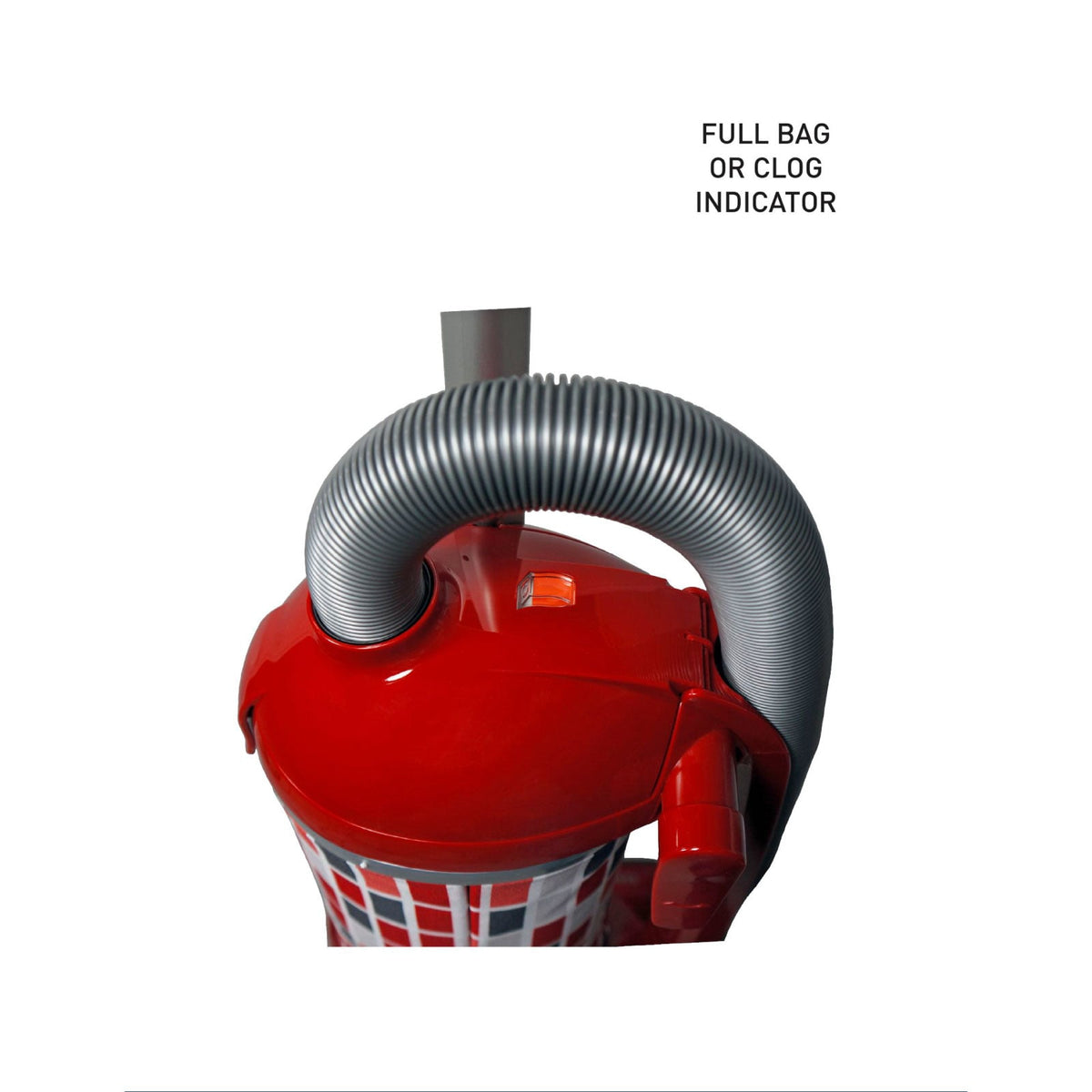
Replace a bag before it is packed solid, and as soon as the vacuum’s bag indicator calls for it. SEBO says to install a new bag promptly when its bag-full warning light comes on, and Miele’s operating instructions note that fine dust such as plaster dust or flour can clog a FilterBag’s pores before the bag is full.
Empty a bagless bin and maintain every filter the manufacturer identifies. Only wash a filter when the instructions specifically say it is washable, and let it dry completely before reinstalling it. SEBO, for example, says its filters are not designed to be washed and that washing filters or reusing bags may invalidate the warranty; our guide to whether you can wash a vacuum filter explains how to tell.
If suction stays weak after those steps, the restriction may be inside the hose, wand, floorhead or lower airway. A split hose or worn seal can also leak air before it reaches the cleaning head.
Time for service: The vacuum still needs several passes, drops debris after shutting off, or has strong pull at the machine but almost none at the floorhead.
For a complete airflow sequence, read Why Did My Vacuum Lose Suction? 9 Fixes Before You Replace It.
2. You Smell Burning Rubber, Hot Dust or Electricity
A burning smell is a stop sign, not a maintenance reminder for next month.
Hot rubber often points toward a slipping belt or jammed brushroll. A dusty, overheated smell can come from restricted airflow. A sharp electrical smell may involve a cord, switch, motor, wiring harness or powered floorhead.
Turn the vacuum off and unplug it. Check only the safe, visible areas: the bag, filters, hose openings and brushroll. Do not repeatedly restart the machine to see whether the smell disappears.
Time for service: The smell returns, the brushroll does not move freely, the vacuum shut itself off, or you see smoke, heat damage or melted plastic.
Read our Vacuum Burning Smell Guide before running the machine again.
3. The Brushroll Will Not Spin—or Sounds Strained
The brushroll lifts embedded dirt and hair from carpet. Hair, thread and carpet fibers can wind around the roller until it slows down, overloads the belt or heats the bearings.
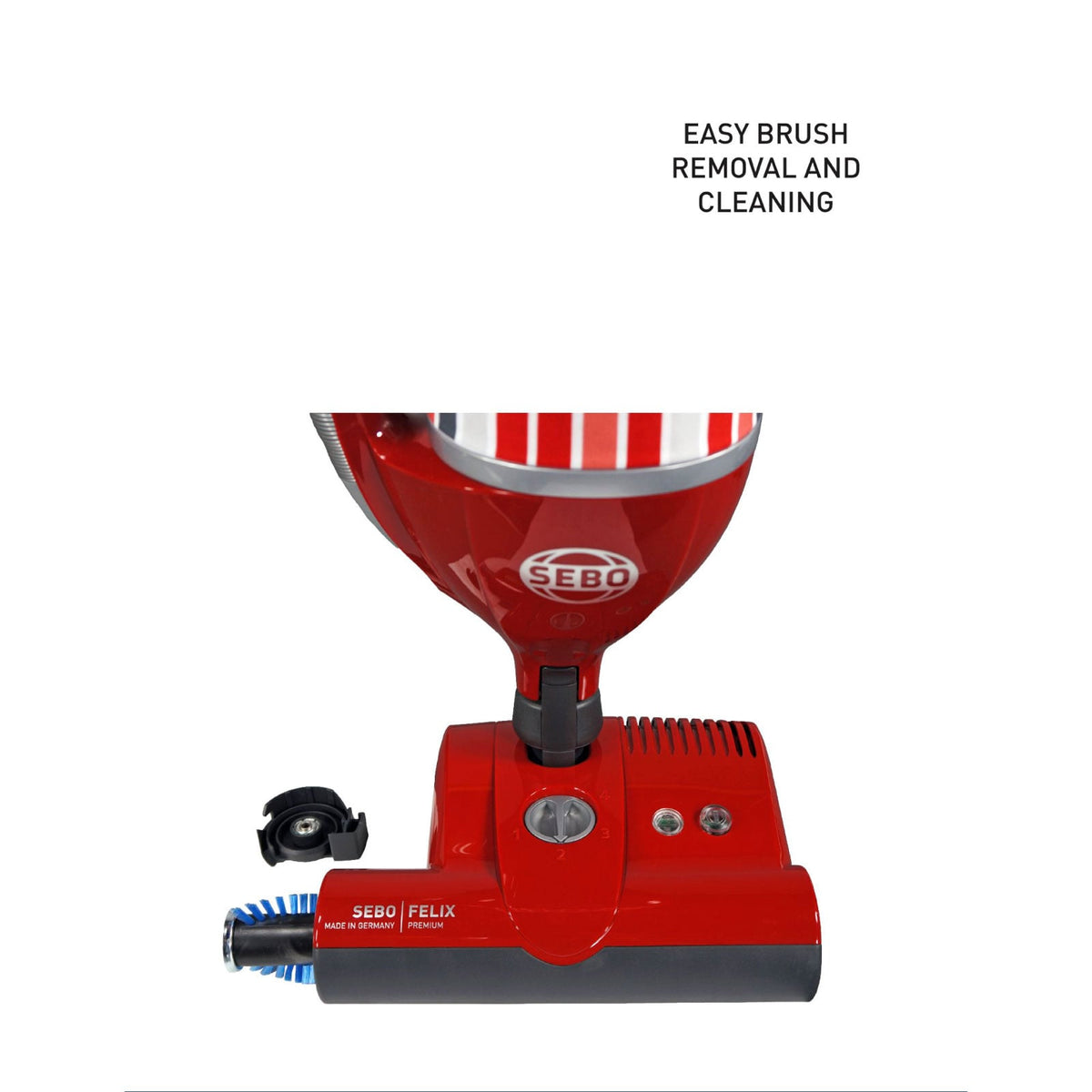
Unplug the vacuum and remove visible wrap carefully. Do not cut into the belt, bristles or wiring. Some serviceable powerheads, including SEBO’s ET-1—the 12-inch electric power head used on the SEBO FELIX upright and with the AIRBELT K3, E3 and D4 Premium canisters—provide tool-free brushroll removal; other powerheads should not be opened without the correct instructions.
A warning light does not always mean a repair. On the ET-1, SEBO says a red light with automatic shut-off flags a jammed brush roller, and a light also stays on when the brush height is set too high or the bristles are worn enough that the roller should be replaced.

Time for service: The roller remains stiff, the belt slips, a warning light stays on after the jam is cleared and the brush height is checked, the brush motor does not run, or the powerhead makes a new clicking or grinding noise.
If the brush has stopped turning altogether, our brush-not-spinning checklist covers what to rule out before you buy a belt.

4. The Vacuum Has a New Rattle, Grind or High-Pitched Whine
You know the normal sound of your vacuum. A sudden change deserves attention.
A rattle may be debris in the fan, brush area or hose. Grinding can indicate worn bearings or a damaged roller. A sharper motor pitch often accompanies restricted airflow. Continuing to operate the machine can allow a loose or worn part to damage nearby components.
Time for service: The sound persists after the bag, filters, hose and floorhead are checked—or the vacuum vibrates, loses power or becomes unusually hot.
5. It Overheats or Shuts Itself Off
Many vacuums have thermal protection that stops the motor when it becomes too hot. The shutdown protects the machine; it does not fix the cause.
One example: Miele’s operating instructions for its HS12 canisters, which use GN FilterBags, say a temperature limiter switches the vacuum off when it gets too hot, and to unplug it, clear the cause and let it cool for about 20–30 minutes.
Common causes include a packed bag, clogged filter, hose blockage, jammed brushroll or motor problem. Let the vacuum cool completely, then inspect the normal airflow points before using it again. Our guide to a vacuum that keeps shutting off after a few minutes walks through those checks in order.
Time for service: It shuts off repeatedly, restarts only after cooling, smells hot or has already received fresh bags and filters.

Ready to Stop Guessing?
Choose the service path that matches your system.
Portable vacuum: Call or use the repair check-in before visiting so we can confirm the machine is eligible for shop service. Ask about the diagnostic, estimate, and approval process when eligibility is confirmed.
Central vacuum: Tell us which inlets are affected and what the power unit is doing.
6. Dust or Odor Escapes From the Exhaust
A vacuum should collect dirt—not redistribute it.
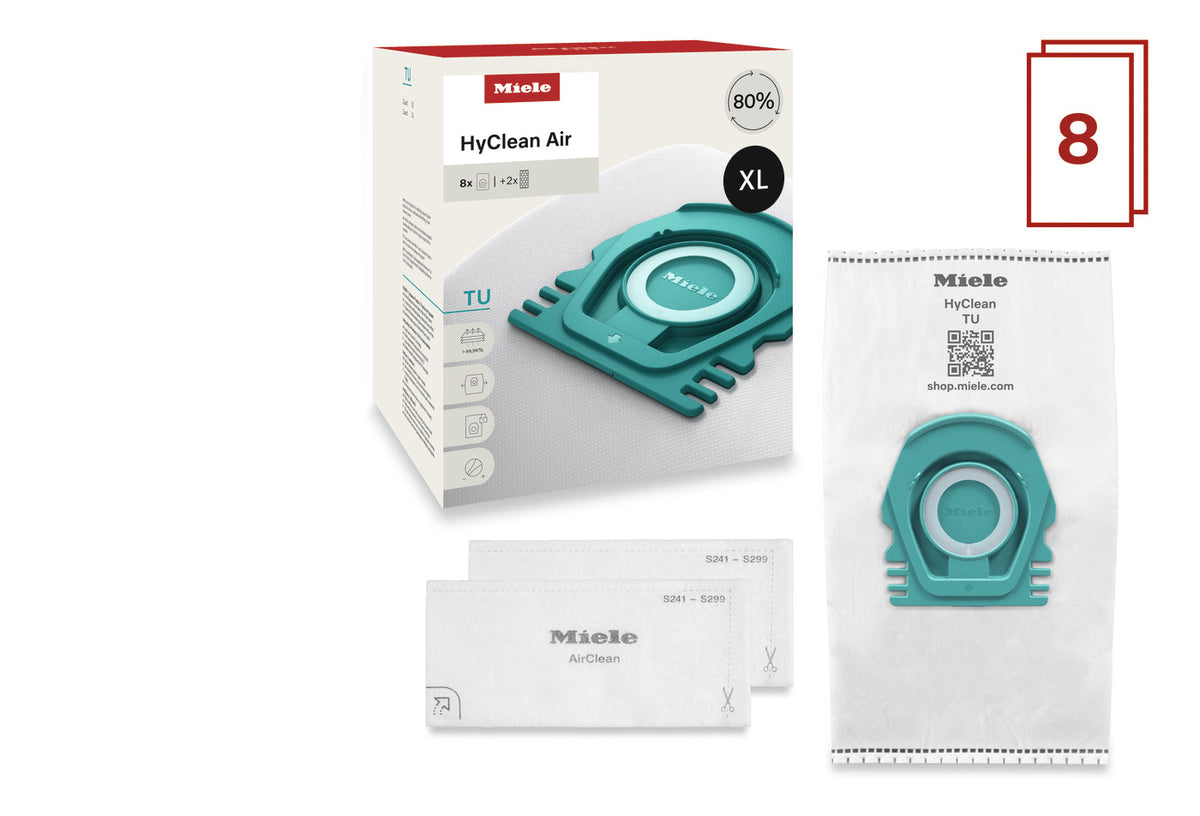
Check that the correct bag is seated and sealed, the dust bin is latched, and every filter is present. A poorly fitting aftermarket bag, torn filter, damaged compartment seal or overdue exhaust filter can allow dust and odor to escape. Miele’s operating instructions for its GN-bag canisters, for instance, say not to use the vacuum without the FilterBag, motor protection filter and exhaust filter in place.

Time for service: Dust collects inside the motor compartment, the exhaust still smells after the correct supplies are installed, or the housing will not seal properly.
Our vacuum bag and filter replacement guide explains when to change supplies and how fine dust or pet hair can shorten the interval.
If new supplies are all the vacuum needs, visit Parts, Bags & Filters or bring the model number to our Avon showroom so we can help match the correct bag or filter.

7. The Cord, Hose or Powerhead Is Damaged
Visible electrical damage is not a cosmetic issue. Stop using a vacuum with exposed conductors, melted plugs, intermittent power or a cord that becomes hot. Miele’s safety instructions put it simply: do not use the vacuum with a damaged cord or plug.
Hoses can also fail mechanically or electrically. A split hose leaks suction. An electrical hose can develop damaged contacts or internal wiring that prevents the powerhead from operating.
Time for service: Power cuts in and out when the cord or hose moves, the plug is loose, the cord rewind no longer works safely, or the powerhead fails even though the main motor runs.
Bring the vacuum, hose, wand and powered floorhead together. The problem may not be inside the main unit.
8. It Leaves Dirt Behind Even Though the Motor Sounds Strong
Strong motor sound does not guarantee strong floor performance.
A worn brushroll, incorrect carpet-height setting, slipping belt, blocked floorhead or damaged floor tool can leave debris behind even when suction at the machine feels normal. Hard-floor tools can also trap grit or hair in their bristles and wheels.
Time for service: The vacuum cleans through the hose but not the floorhead, leaves a trail down the center, pushes debris forward or has become difficult to move across carpet.
9. Your Central Vacuum Is Weak, Unresponsive or Uneven
Central vacuum symptoms can reveal where the problem is located.
Start by emptying the canister or replacing the bag and checking the filter according to the power unit’s instructions. Then compare suction at more than one wall inlet; our one-inlet-versus-every-inlet guide walks through that test.
- Weak at one inlet: The issue may be in that branch of tubing, the inlet valve or a local seal.
- Weak at every inlet: Check the collection system, filter, power unit, main line and motor.
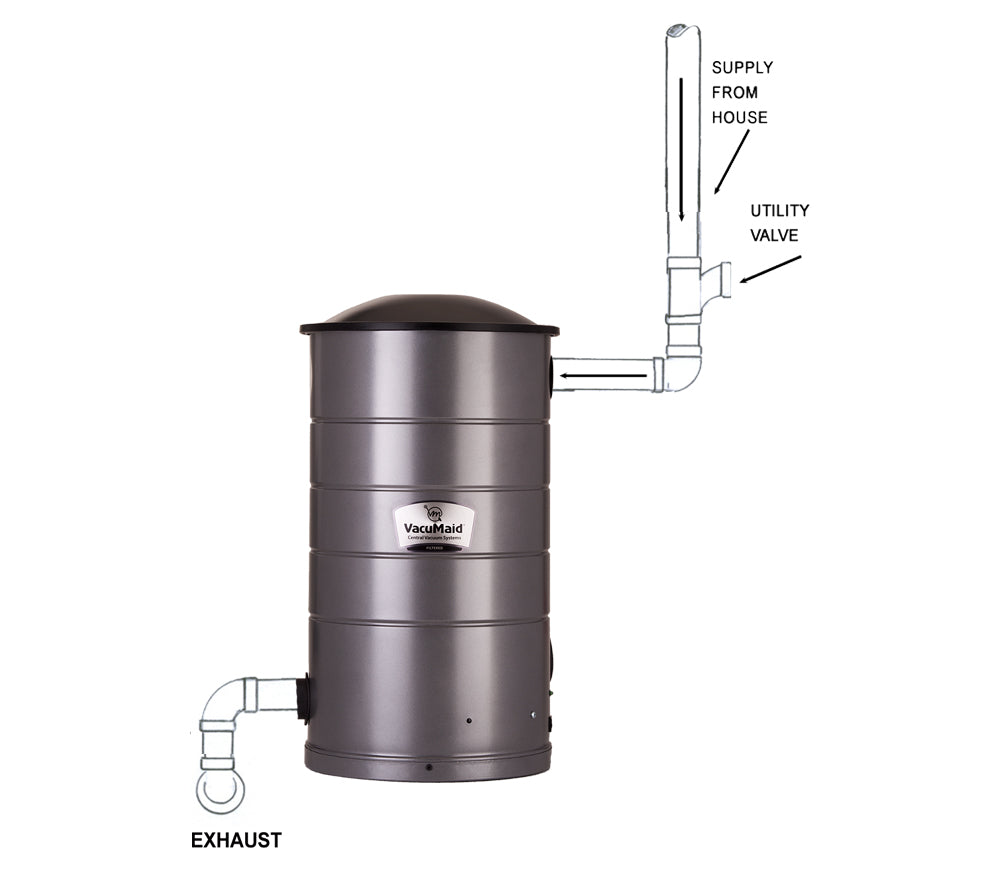
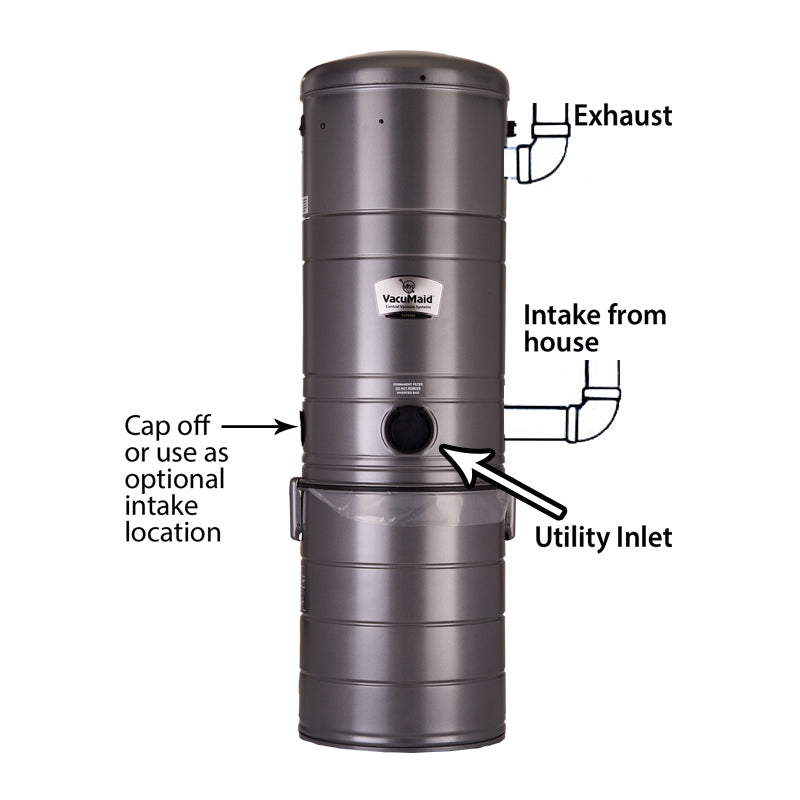
- Motor runs but there is no airflow: A blockage may be inside the hose or in-wall tubing. VacuMaid’s hose test separates the two: connect the hose directly to the dirt canister, and if suction there is normal, the hose is not clogged.
- System will not start: The cause may involve an inlet, low-voltage circuit, relay, control board or power unit. VacuMaid suggests checking the breaker in the electrical panel and the reset button on the canister.
- System starts and stops unexpectedly: Stop using it until the electrical or control problem is diagnosed.

We review central-vacuum service requests using the address, system details, and reported issue, then confirm eligibility before scheduling.
Before bringing a removable power unit to our Avon shop, call so we can confirm whether in-shop evaluation is available. If the problem is in the tubing, valves or an installed unit, request central vacuum service. We will review the address and system details, then follow up to confirm service eligibility, scheduling, and any applicable visit charge.

What Happens When You Bring a Vacuum In?
We keep the process simple:
- Bring the complete system. For a canister, include the hose, wand and powerhead. For an upright, bring the full machine.
- We review the repair request. Call with the brand and model so we can confirm whether shop service is available.
- We call you. We explain what failed, what the repair involves and whether the work makes sense.
- Review the next step. Ask how diagnostics, estimates, and approvals are handled for the specific repair.
Avon Vacuums is an authorized dealer for Miele and SEBO. Call with the brand and model so we can confirm whether shop service is available and what authorization or warranty terms apply.
Call or use the repair check-in before visiting so we can confirm the machine is eligible for shop service.
How Often Should a Vacuum Be Professionally Serviced?
Usage matters more than the calendar.
Consider an annual inspection for a machine used several times a week, a pet household, a large carpeted home or a vacuum that handles fine dust. A lighter-use household may go longer between inspections if bags, filters and brushrolls are maintained properly. Our in-store repair page lists annual tune-ups—belt, brush, filter and motor-brush check, plus a full clean—for eligible machines.
Do not wait for the calendar when performance changes. A new smell, noise, shutdown or electrical problem deserves immediate attention.
Frequently Asked Questions
Do I need an appointment for vacuum repair?
Call or use the repair check-in before visiting so we can confirm the machine is eligible for shop service.
What should I bring with a canister vacuum?
Bring the canister, hose, wand and powerhead. Clogs, wiring problems and brushroll failures often occur outside the main unit.
Do you repair vacuums that were purchased elsewhere?
We evaluate many household vacuum brands, including machines we did not sell. Call with the brand and model so we can confirm whether shop service is available.
Will you repair the vacuum without calling me first?
Ask about the diagnostic, estimate, and approval process when repair eligibility is confirmed.
Is an older vacuum worth repairing?
Often, especially when it is a serviceable machine with available parts. Age alone does not decide the answer. Condition, brand, parts support and repair cost matter more. Read our repair-or-replace guide for the framework we use.
Do you provide in-home central vacuum service?
We will review the address and system details, then follow up to confirm service eligibility, scheduling, and any applicable visit charge. Call before bringing a removable power unit to the shop.
What if my central vacuum cannot be repaired?
We will explain whether replacing the power unit makes more sense. Avon Vacuums sells, installs and services VacuMaid central vacuum systems, and many replacement units can use the home’s existing tubing and inlets; VacuMaid, for example, sells a replacement power unit installation kit for connecting a new unit to the original pipe. We check the existing tubing, inlets, wiring and exhaust routing before recommending that approach.
Bottom Line: When to Stop Guessing and Get a Diagnosis
A vacuum does not need to be completely dead before it deserves attention. Weak suction, burning odors, repeated shutdowns, damaged wiring, a stalled brushroll and uneven central-vacuum performance are all reasons to stop guessing and get a diagnosis.
Avon Vacuums has been family-owned in Avon, Connecticut, since 1972. We offer in-house repair for eligible portable vacuums, genuine bags and filters, and central-vacuum service requests reviewed by address and system details.
These checks are written for household corded uprights, canisters and central vacuum systems. They are not a repair manual: for a cordless stick or any other machine, follow the manufacturer’s instructions for your exact model, and leave motors, wiring, cords and electrical hoses to a technician.
Sources: SEBO America, warranty and support; SEBO America, frequently asked questions; SEBO America, ET-1 and ET-2 power heads; SEBO America, FELIX; Miele, Operating Instructions, Canister Vacuum Cleaner (M.-Nr. 12 905 370); VacuMaid, FAQ; VacuMaid, replacement power unit installation kit (checked October 2026).
Choose the Right Service Path
Portable vacuum: Call or use the repair check-in before visiting so we can confirm the machine is eligible for shop service.
Central vacuum: Request a service call for an installed system, tubing, inlet or in-home problem.
Request a Central Vacuum Service Call
Questions first? Call (860) 678-0011.
Hours: Tuesday–Friday, 9:30 AM–5:30 PM · Saturday, 9:30 AM–3:00 PM · Closed Sunday and Monday.
Avon Vacuums · Family-owned in Avon, Connecticut, since 1972
Something wrong on this page? Email info@avonvacuums.com with the URL.