
Follow a practical sequence for reduced suction: check the bag or bin, filters, hose, floorhead, and controls before assuming motor failure.
Avon Vacuums | Updated June 28, 2026
Quick answer: when a vacuum loses suction, the problem is almost always restricted airflow, not a dead motor. Before you replace the vacuum, check the bag or bin, every filter, the hose, the wand, the floor head, the brush roll, the height setting, the seals, and the central vacuum inlet if you have a built-in system. After more than 50 years repairing vacuums in Avon, CT, those checks solve most 'my vacuum is not picking up' complaints before the machine ever needs the bench.
A customer drove in from Canton convinced his three-year-old vacuum was finished. It was not picking up, the hose felt weak, and the powerhead sounded different. We had it pulling full suction again in about four minutes: packed bag, grey motor filter, and a wad of pet hair lodged at the neck of the floor head. He was relieved and a little embarrassed. He should not have been. We see some version of that story every week.

1. Check the Bag or Dust Bin First
A vacuum bag does not wait until it is packed solid to reduce suction. Most bagged machines start losing airflow when the bag is around two-thirds full, especially if the home has fine dust, pet hair, fireplace ash, renovation debris, or a lot of carpet powder. If your vacuum lost suction suddenly and the bag has not been changed recently, replace it first. This is the cheapest diagnostic step and the most common fix.
If you own a bagless vacuum, emptying the bin is not enough. Remove the pre-motor filter, tap it clean outside, and wash it only if the manufacturer says it is washable. A bagless bin can look empty while the filter behind it is completely sealed with fine grey dust. That grey dust is basically a blanket over the motor's lungs.
2. Replace the Filter You Forgot Exists
Most vacuums have at least two filters: one before the motor and one after the motor. The pre-motor filter protects the motor from dust bypass. The exhaust or HEPA filter cleans the air before it leaves the machine. Either one can cause weak suction when it gets loaded. This is especially common in homes with pets, allergies, construction dust, or older carpet.
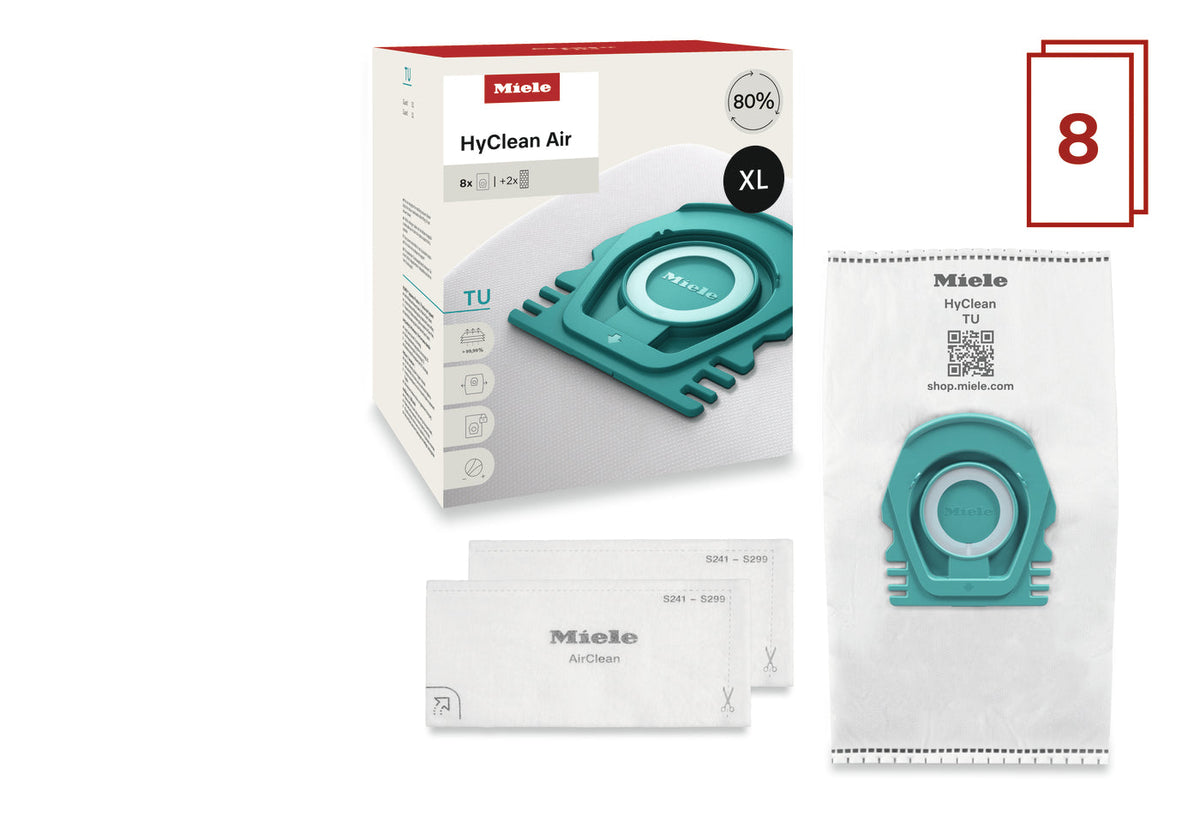
On premium bagged vacuums, genuine bags and filters matter. A poor aftermarket bag can leak fine dust into the motor filter and choke the machine months earlier than it should. That is why we stock genuine Miele bags, Miele filters, and SEBO bags and filters rather than gambling with generic parts.

3. Hunt the Clog in the Hose, Wand, and Nozzle
If the bag and filters are clean but suction is still weak at the floor, there is probably a blockage. Disconnect the hose. Hold one end up to a light. If you cannot see through it, something is lodged inside. We have pulled out socks, bottle caps, Lego pieces, twist ties, clumps of pet hair, dried leaves, cardboard, and even small toy parts.
The floor-head neck is another common clog point. Hair and lint build up where the wand bends into the nozzle. On an upright, check the short airway between the brush roll area and the dust path. On a canister, remove the wand and check the elbow where the head connects. That little bend is where a lot of 'no suction at the carpet' problems live.
4. Check the Brush Roll Before Blaming Suction
On carpet, weak pickup is sometimes a brush-roll problem rather than a suction problem. The motor may be pulling fine, but the brush is not reaching the carpet. Hair and thread can wrap around the roller until the bristles cannot agitate. A worn belt can let the roller spin slowly. A jammed brush can trigger a shutoff on better machines.
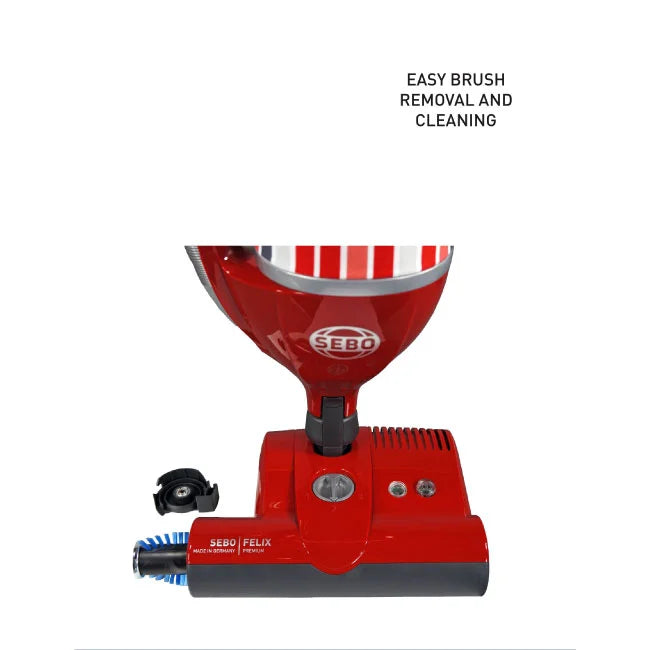
SEBO makes this easier than most brands. Machines like the SEBO Felix have removable brush rollers, and the ET-1 powerhead can warn you about brush obstruction. That is not a luxury feature. It is a repair-prevention feature.

5. Adjust the Height Setting
If an upright is set too low, the nozzle can seal itself to the carpet and choke airflow. If it is set too high, the brush roll never reaches the carpet. Both feel like poor pickup. This is common when someone moves from low-pile carpet to plush carpet, or from a thin area rug to a thick wool rug.
For manual-height machines, start high and lower the setting until you hear the brush contact the carpet without the vacuum becoming hard to push. For automatic-height machines like the SEBO Automatic X7, make sure the machine is allowed to settle and adjust instead of forcing it across the carpet too quickly.
6. Look for Air Leaks and Bad Seals
A vacuum creates suction by pulling air through a controlled path. Any cracked hose, loose lid, missing gasket, poorly seated dust bin, or torn bag collar lets air sneak in from the wrong place. The motor still runs, but the floor head gets the leftovers.
Flex the hose slowly while the vacuum is running. Listen for whistling. Check the lid and bag door. Make sure the bag collar is fully seated. On bagless vacuums, remove and reseat the bin. On older machines, rubber seals can harden and stop doing their job.
7. Central Vacuum Lost Suction? Test Each Inlet
Central vacuum suction problems need a slightly different approach. First, test suction directly at the power unit. If the unit has strong suction but one wall inlet is weak, the clog is in that branch line or hose. If every inlet is weak, check the bag or bucket, filter screen, exhaust path, and motor. If one hose has weak suction at every inlet, the hose itself is the problem.
For VacuMaid systems, we usually start with the disposable HEPA bag, the intake screen, and the hose. Central vacuums move a lot of air, so they can hide a partially restricted hose for a while before the homeowner notices.
8. Do Not Ignore Smell, Heat, or a Changing Motor Sound
Lost suction plus a hot smell means stop running the vacuum until you check airflow. A motor starved for air runs hotter. If the vacuum gets unusually warm, smells dusty or electrical, or changes pitch dramatically, unplug it and inspect the bag, filters, hose, and brush area. Running it for 'just one more room' can turn a cheap maintenance fix into a motor repair.
9. Know When It Is Actually Time for the Bench
If the bag is fresh, the filters are clean, the hose is clear, the brush roll spins freely, the height is correct, and the seals are tight, then a professional diagnosis makes sense. At that point the issue may be a failing motor, cracked internal housing, seized brush motor, bad control board, or hidden obstruction you cannot reach safely.
The repair-or-replace decision depends on the machine. A premium Miele, SEBO, or VacuMaid is often worth repairing. A disposable big-box vacuum with a failing motor usually is not. That is why we diagnose before selling. Sometimes the right answer is a new vacuum. In other cases, diagnosis may identify a maintenance item or replaceable part that makes repair practical.
Meme-Worthy, But True

Customer: My vacuum is dead.
Bag: I have been full since April.

Pet hair: I live here now.
Brush roll tool: Lease denied.

Me: It needs a motor.
Avon Vacuums: It needs a filter.
Brand-Specific Notes
Swipe horizontally to compare every column →
| Brand/system | First place to check | What we see most often |
|---|---|---|
| Miele canisters | AirClean bag, pre-motor filter, HEPA or exhaust filter | Generic bags leaking dust, overdue filters, clogs at the wand/head elbow |
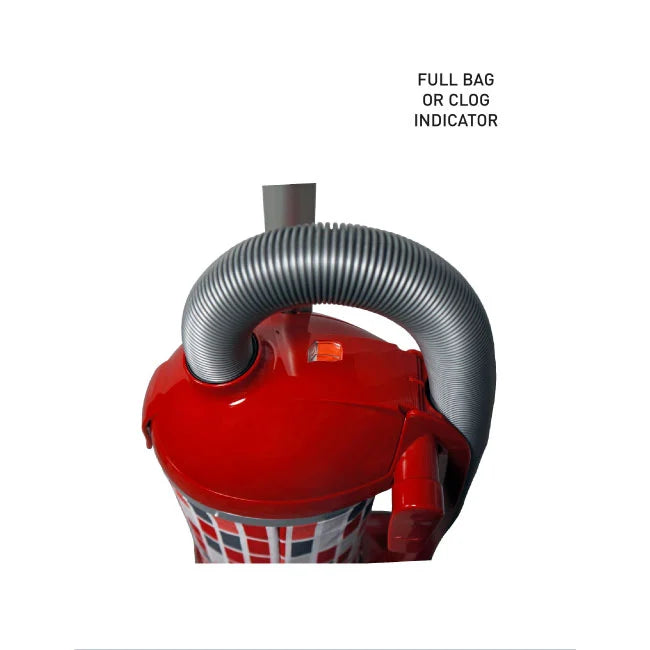
| SEBO uprights and canisters | Bag indicator, brush roll, hose/wand path, S-Class filter | Full bag, pet hair around brush roll, clogged floor-head neck |
| Bagless vacuums | Pre-motor filter and bin seals | Bin emptied but filter never washed or replaced |
| Central vacuums | Power unit bag/filter, hose, then each inlet | Hose clog or full bag causing weak suction at multiple rooms |
Frequently Asked Questions
Why did my vacuum lose suction all of a sudden?
The most common causes are a full bag, clogged filter, blocked hose, clogged wand, jammed floor head, or an air leak. Sudden suction loss is usually an airflow problem, not a dead motor.
How do I fix a vacuum with no suction?
Change the bag or empty the bin, clean or replace filters, disconnect and check the hose, clear the wand and floor head, clean the brush roll, check the height setting, and reseat all doors, bins, and seals.
Why does my vacuum have suction at the hose but not at the floor?
If hose suction is strong but floor pickup is weak, check the brush roll, belt, powerhead neck, height setting, and nozzle airway. The vacuum may be pulling air, but the head may not be agitating or sealing correctly.
Can a clogged filter damage a vacuum motor?
Yes. A clogged filter restricts cooling airflow. The motor runs hotter, works harder, and can fail earlier if the machine is used that way for long enough.
Where can I get a vacuum repaired in Avon, CT?
Bring it to Avon Vacuums at 12 West Main Street, Avon, CT. We service Miele, SEBO, VacuMaid, Dyson, Shark, central vacuums, and most major brands.
Why People Choose Avon Vacuums
- Family-owned since 1972: we have seen the same suction problems across generations of machines.
- Authorized Miele and SEBO dealer: genuine bags, filters, belts, tools, and factory-correct guidance.
- Central vacuum experience: we install and service VacuMaid systems across the Farmington Valley.
- Local service bench: bring the machine in and we will tell you if it is worth fixing.
- No-pressure advice: if a bag or filter fixes it, we will tell you that before we sell you a vacuum.
Not sure how often to replace consumables? Read Vacuum Bags & Filters: When to Change Them, By Brand next.


